
What Does “Auto-Sexing” Mean in Chickens?
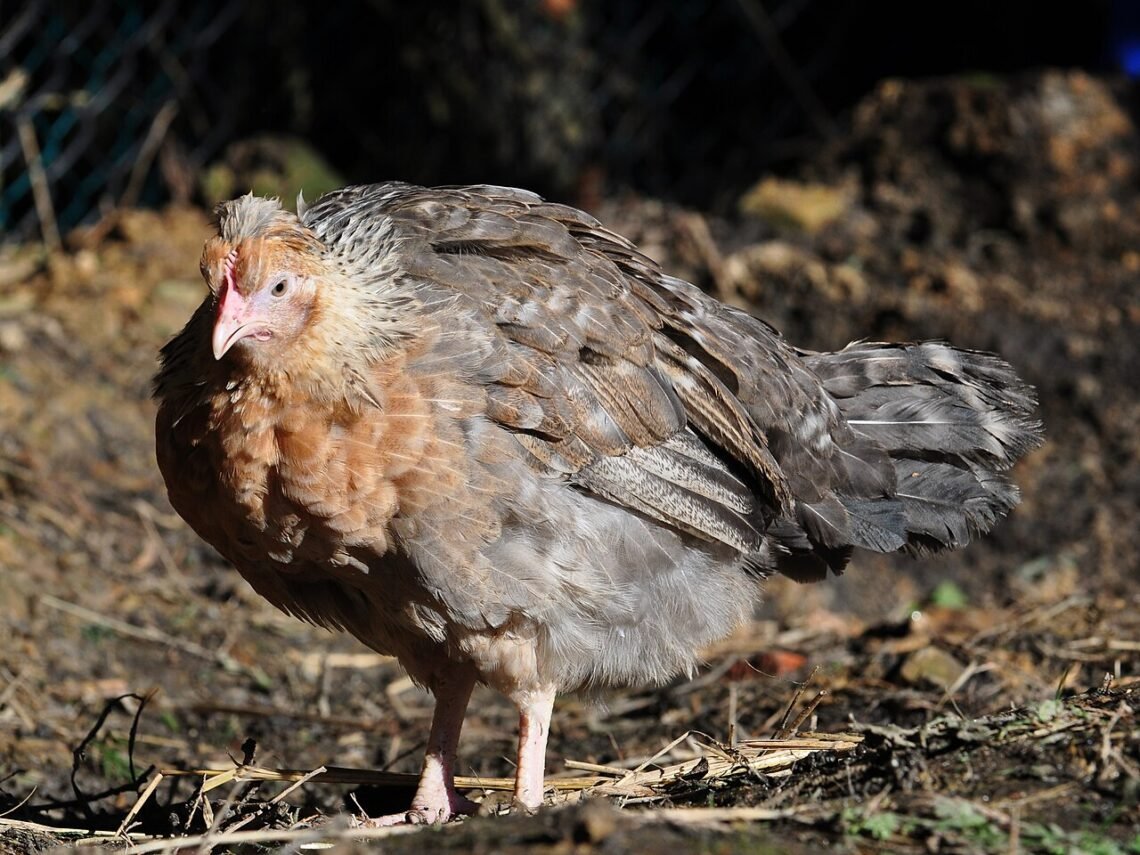
Auto-sexing breeds are special poultry breeds where you can tell whether a chick is male or female right after hatching just by looking at the color and markings of their down feathers. Some chickens, geese, and even pigeons have this trait, but chickens are the most well known for it.
One of the best-known auto-sexing breeds is the Cream Legbar. In these breeds, the baby chicks hatch with different patterns depending on their sex. Female chicks usually have darker, more defined stripes and eye lines, while the males are often lighter with softer, more washed-out markings.
Auto-Sexing Breeds vs. Sex-Link Hybrids
Unlike sex-link hybrids, which are created by crossing two different breeds, true auto-sexing breeds pass this trait down naturally generation after generation. That means breeders can hatch purebred birds and still identify males and females immediately.
Where Did Auto-Sexing Chickens Come From?
The idea of auto-sexing chickens was developed by geneticist Reginald Punnett at Cambridge University in the 1920s. By crossing barred Plymouth Rocks with other breeds, he created the first auto-sexing breed called the Cambar in 1928. Later came the famous Legbar breed, along with several others like the Rhodebar, Welbar, Brussbar, and Wybar.
💡 Auto-Sexing Happens at Hatch
“True auto-sexing breeds pass this trait down naturally generation after generation.”
How Does Auto-Sexing Work?
Most of these breeds were created using barred Plymouth Rocks because they carry the “barring” gene. This gene affects chick down color differently in males and females due to how bird chromosomes work. Male chicks receive two copies of the barring gene, while females only receive one, which creates the visible color differences at hatch.
Over time, breeders in several countries developed additional auto-sexing breeds using the same genetic principles. Some well-known examples include the Bielefelder, California Grey, Polbar, and Oklabar.
Why Are Auto-Sexing Breeds Useful?
Auto-sexing breeds became especially popular because they save time and reduce guesswork for poultry keepers. Being able to identify chicks at hatch is useful for breeding programs, flock planning, and hatcheries managing large numbers of birds.